Celebrating 45 Years of clinical innovation, comfort, and caregiver support at Broda.
Explore the Legacy!Choosing a wheelchair is rarely just a shopping decision. It can affect comfort, safety, independence, and daily routines. A basic folding manual chair may fit inside a car trunk, while a powered model may need a ramp, charging space, and regular maintenance.
Dr. Rory Cooper, a leading wheelchair researcher and rehabilitation engineer, has said, “A wheelchair is not a sign of defeat; it is a tool for mobility and independence.” That perspective matters when evaluating wheelchair cost. Price alone cannot show whether a chair suits your body, home, transport needs, or lifestyle.
This guide examines ten common wheelchair types, including manual, transport, reclining, standing, sports, and electric models. It explains typical price ranges and the features behind them. Seat width, frame material, cushion design, battery capacity, and control systems can change the final figure considerably. Accessories also add up. A pressure-relief cushion, lap belt, adjustable footrests, or replacement batteries may cost more than expected.
Real-world fitting is essential. A chair that looks affordable online might feel unstable on uneven pavement or fail to fit through a narrow bathroom door. That is an easy detail to miss.
Costs also vary by country, supplier, warranty, insurance coverage, and clinical assessment. The figures in this article are practical estimates, not guaranteed quotes. Personal needs differ, sometimes sharply. Use them as a starting point, then confirm measurements, service terms, and funding options with a qualified clinician or reputable wheelchair provider.
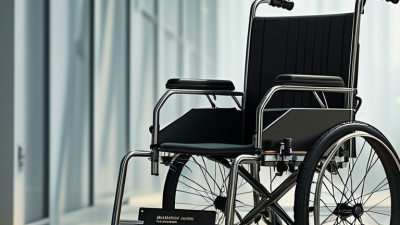
A wheelchair is a mobility device that supports sitting while helping a person move safely. It may be self-propelled, pushed by another person, or powered by a battery. The correct choice depends on strength, balance, body size, home layout, and daily activities. A chair used indoors may need a smaller turning radius. Outdoor users often need stronger frames and better suspension.
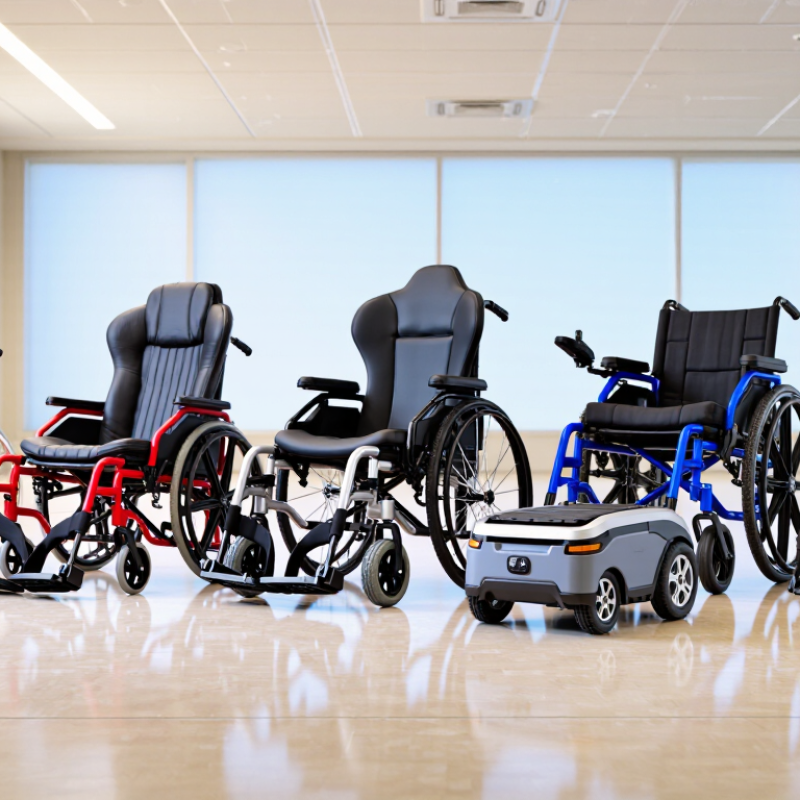
Wheelchairs are commonly classified by propulsion, structure, and purpose. Manual models include standard, lightweight, reclining, standing, sports, and transport designs. Powered models may use joystick control, adjustable seating, or advanced support systems. Pediatric and bariatric chairs are classified by user size and weight requirements. Some categories overlap, which can confuse buyers. A reclining chair, for example, may also be a heavy-duty model.
Cost changes with materials, seating functions, wheels, and medical adjustments. Basic transport chairs can cost a few hundred dollars, while customized powered models may exceed several thousand dollars. These figures are only practical estimates, not fixed rules. A professional seating assessment should check posture, pressure relief, foot support, and safe transfers. A chair can look suitable yet cause discomfort after two hours. That detail is easy to miss. No single classification fits every user, and personal testing remains important.
Manual wheelchairs differ mainly in frame design, propulsion, positioning support, and transport needs.
A standard folding chair usually costs $150–$500. Its cross-brace frame folds easily, but it may feel heavier during self-propulsion. Small rear wheels can make pushing difficult without assistance. This is often overlooked.
Transport wheelchairs typically range from $100–$350. They have smaller wheels and require a companion to push the user. Lightweight folding models may cost $300–$1,200, depending on frame materials, wheel size, brakes, and adjustable components. Rigid-frame chairs often cost $800–$3,000. They transfer energy efficiently and suit active users, but they are less convenient for compact storage.
Specialized manual designs need closer assessment. Reclining chairs may cost $700–$2,500 and support users who need frequent posture changes. Tilt-in-space models commonly range from $1,500–$5,000 because their frames shift the seating angle while preserving body alignment.
Bariatric chairs may cost $500–$2,000 and use wider seats, reinforced frames, and stronger wheel locks. Pediatric and sports chairs vary widely, often from $600 to above $4,000.
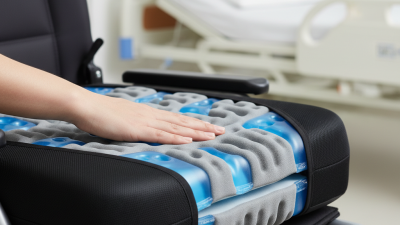
A proper fitting should consider seat width, depth, footrest position, cushion pressure relief, and daily terrain. Online prices can exclude cushions, delivery, repairs, or clinical adjustments. A chair that looks affordable may become expensive after these additions. Even experienced users sometimes choose a design too quickly. That mistake deserves honest reconsideration.
Powered wheelchairs use battery-driven motors to support people who cannot comfortably propel a manual chair. Most models use a joystick, often mounted near the hand or arm. Controls may include speed adjustment, horn, lighting, and battery indicators. Some advanced chairs offer powered tilt, recline, elevating seats, or leg rests. These features can improve pressure relief, posture, transfers, and eye-level communication.
Costs vary widely. Basic indoor powered wheelchairs commonly cost between $2,000 and $5,000 in the United States. Mid-range models for daily indoor and outdoor use often cost $5,000 to $10,000. Highly customized chairs may exceed $15,000, especially with advanced seating systems or elevation functions. Batteries, chargers, cushions, ramps, delivery, and maintenance can add hundreds or thousands of dollars. Insurance coverage depends on medical documentation, local rules, and the equipment’s approved purpose.
Drive configuration also matters. Front-wheel drive can handle uneven outdoor surfaces, while mid-wheel drive usually offers a tighter indoor turning circle. Rear-wheel drive may feel stable at higher speeds. Folding designs are easier to transport, but they can provide less seating customization. A common mistake is choosing by price alone. Door widths, floor surfaces, posture needs, and service access deserve equal attention. The cheapest option may become expensive after repeated repairs. Still, the most advanced chair is not automatically the best fit. Professional assessment remains essential.
Specialized wheelchairs can cost from about $500 to over $10,000. The price depends on materials, adjustments, and intended use. Sports users may choose rigid racing, basketball, tennis, or adaptive handcycle chairs. These models often cost $2,000–$10,000 because they require precise seating and lightweight frames. Beach wheelchairs use wide wheels for sand and usually cost $800–$3,000. Travel wheelchairs prioritize folding frames, compact storage, and airline handling, often costing $700–$3,500.
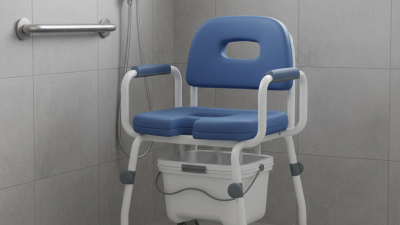
Medical needs require a different approach. Manual chairs, reclining chairs, tilt-in-space models, standing chairs, and bariatric chairs can range from $800 to $8,000. A reclining back may support pressure management, while tilt functions can improve posture and reduce fatigue. Bariatric models need stronger frames and wider seats. These choices should involve a qualified therapist or seating specialist, not only an online price chart. I would not pretend that the cheapest chair is always practical. A poor fit can create painful pressure points after a short trip.
Tips: Measure the user while seated, including hip width and leg length. Test the turning radius inside a home or hotel room. For travel, check folded dimensions, total weight, brake access, and removable batteries. Ask about repair support and replacement parts before paying. Keep a small cushion and tire pump nearby. Costs can change, and insurance coverage differs by location, so confirm current quotes in writing.
Typical U.S. purchase-price ranges for sports, travel, pediatric, and medical wheelchair needs.
Prices are approximate 2024–2025 U.S. market ranges before insurance coverage, clinical fitting, delivery, and optional accessories. Actual costs vary by configuration, seating requirements, materials, and technology.
Comparing wheelchair costs requires more than reading the purchase price. A basic manual chair may cost about $100–$1,000. A lightweight or active-use model often costs $1,000–$4,000. Power chairs can range from $1,500 to above $15,000, depending on seating, controls, batteries, and suspension. These are practical market ranges, not guaranteed quotes. Regional taxes, clinical assessments, and custom adjustments can change the final figure.
Features should match daily conditions. Measure doorways, vehicle access, floor surfaces, and typical travel distances. A heavy chair may feel stable indoors but become difficult on a ramp. A lightweight chair may improve transport but sacrifice adjustability.
Check seat width, pressure-relief support, brake design, battery replacement costs, and repair availability. Medicare coverage rules, including medical-necessity documentation, may reduce eligible costs, but coverage is not the same as affordability.
The WHO and UNICEF Global Report on Assistive Technology (2022) estimates that more than 2.5 billion people need assistive products worldwide. That number may exceed 3.5 billion by 2050. Demand will likely increase, but quality and service still vary. A five-year cost estimate should include maintenance, tires, cushions, batteries, and replacement parts. A cheap chair can become expensive after two repairs. That is easy to overlook. One imperfect assumption remains common: buyers compare chairs before comparing their own routines. A therapist-led assessment can expose that mistake.