Celebrating 45 Years of clinical innovation, comfort, and caregiver support at Broda.
Explore the Legacy!Choosing the right wheelchair involves more than comparing price tags. It affects movement, comfort, safety, independence, and daily routines. A lightweight manual wheelchair may suit occasional travel, while a powered model can support someone who needs consistent mobility assistance. Prices vary widely because design, materials, seating systems, batteries, and clinical adjustments all influence the final wheelchair cost.
Dr. Rory Cooper, a leading wheelchair technology researcher and wheelchair user, has said, “A wheelchair is not a chair; it is a mobility system.” That distinction matters. A wheelchair should fit the user’s body, environment, strength, and lifestyle. A poorly fitted model may create pressure points, difficult transfers, or expensive replacements. The cheapest option may not remain affordable over time.
This guide examines the top ten types of wheelchairs and their typical prices. It covers transport, standard manual, lightweight, sports, reclining, standing, pediatric, and electric models. You will see practical details, such as folding frames, joystick controls, tire choices, and battery ranges. Costs may also include cushions, ramps, maintenance, delivery, and professional fitting.
Prices are estimates, not promises. Insurance coverage and local suppliers can change the final amount. That limitation matters. Some buyers focus only on the purchase price and overlook long-term service needs. Others may pay for features they rarely use. A careful comparison can prevent both mistakes. The right choice is personal, and sometimes imperfect. Even experienced professionals must reassess it as health, housing, and daily mobility change.
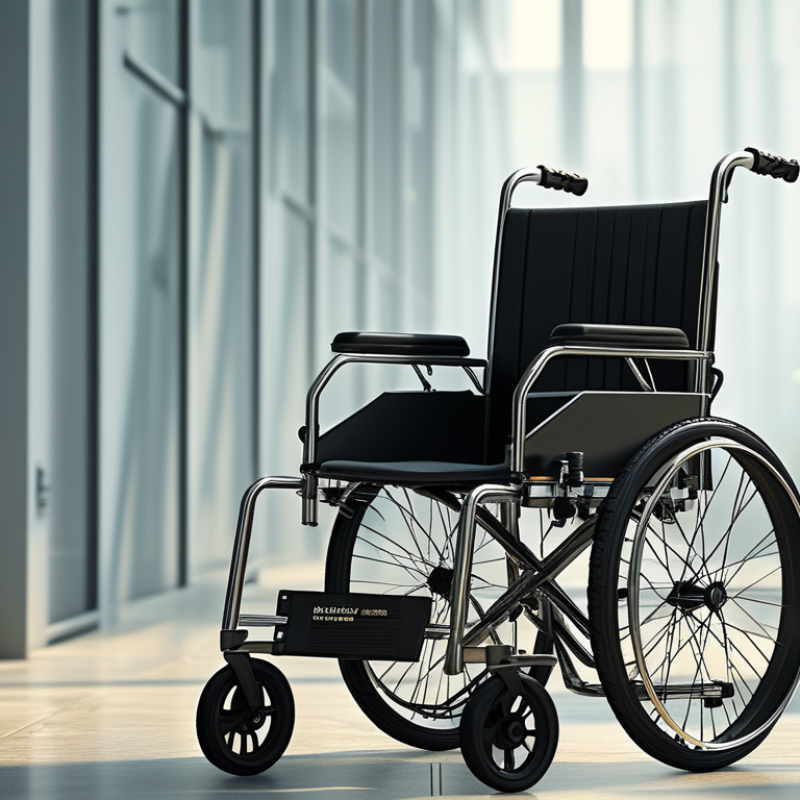
Wheelchair categories differ by posture support, mobility needs, and daily environment.
A standard manual wheelchair usually costs $150–$600. It has large rear wheels, removable footrests, and basic seating.
Lightweight models cost $300–$1,200 and reduce lifting effort. Transport chairs often cost $100–$400. They use smaller wheels and require another person to push.
Reclining wheelchairs cost $500–$2,000. Their backrests support rest, pressure relief, and medical positioning.
Tilt-in-space models generally cost $1,500–$5,000. They change the seat angle without moving the user’s hips.
Bariatric wheelchairs provide wider seats and stronger frames. Prices commonly range from $400–$1,500.
Pediatric wheelchairs offer adjustable growth features and usually cost $500–$3,000.
Sports wheelchairs are lighter, highly responsive, and built for active movement. They may cost $1,500–$6,000.
Standing wheelchairs support partial or full standing positions. Their prices often exceed $5,000.
Powered wheelchairs use motors, batteries, and control systems. Basic models start near $1,500, while advanced configurations may exceed $8,000.
Costs vary widely, and the cheapest option can become expensive after unsuitable modifications.
Tips: Measure doorways, seat width, cushion depth, and turning space before purchasing. Ask a qualified therapist to assess posture and pressure risks. Test the chair on ramps and uneven flooring. Insurance coverage may change the final cost. I have found that comfort is often judged too quickly; a chair can feel fine indoors yet fail during a long outdoor trip.
A wheelchair’s function matters more than its appearance. A standard manual wheelchair suits daily indoor travel and usually costs $150–$600. Transport chairs are lighter, narrower, and often cost $100–$300, but they require a companion to push. Lightweight manual models reduce shoulder effort and cost about $500–$2,500. Reclining wheelchairs support users who need position changes, with prices commonly reaching $800–$3,000. Tilt-in-space designs change the seat angle while preserving posture, often costing $1,500–$5,000.
Sports wheelchairs use rigid frames and angled wheels for quick movement, usually costing $1,500–$8,000. Pediatric wheelchairs allow growth adjustments and typically range from $500–$4,000. Standing wheelchairs can raise the user toward an upright position, but their complex frames may cost $3,000–$10,000. Power wheelchairs use motors and joystick controls, with prices from $1,500 to $8,000 before advanced seating options. All-terrain wheelchairs use larger tires for grass, gravel, and firm trails, commonly costing $1,000–$5,000.
No category is perfect. A lighter chair may feel less stable outdoors. A wider chair may fail at a narrow bathroom doorway. Power models offer independence but need charging space and regular maintenance. Fit should be checked by a qualified seating professional, especially for pressure management, posture, and foot support. Prices also change with customization, local taxes, service, and coverage rules. A showroom test is useful, but real floors reveal more.
Wheelchair prices vary widely by design, materials, and clinical needs. In the United States, a basic transport wheelchair often costs $100 to $300. Standard manual models usually range from $200 to $800, while lightweight versions may cost $500 to $2,000. These chairs can suit short trips, but narrow frames and small rear wheels may reduce outdoor comfort.
Reclining wheelchairs commonly cost $800 to $2,500. Bariatric models may range from $700 to $3,000, depending on weight capacity and frame strength.
Pediatric wheelchairs often cost $500 to $4,000. Growth adjustments can raise the price.
Sports wheelchairs typically fall between $1,500 and $6,000 because they require specialized positioning and lighter construction. All-terrain models may cost $1,000 to $4,000, especially with suspension and reinforced wheels.
Power wheelchairs generally start near $1,500 and can exceed $10,000 with advanced seating, controls, and batteries. Standing wheelchairs often range from $8,000 to $20,000. These figures usually exclude delivery, fitting, maintenance, and replacement batteries.
Used equipment may cost much less, but worn cushions and aging batteries need careful inspection. A rehabilitation therapist or qualified wheelchair assessor should check posture, pressure relief, and home access before purchase. Price alone is not enough. I would reconsider any estimate that ignores fitting, because an inexpensive chair can create discomfort and extra costs later. Regional taxes and insurance rules also change the final amount.
Wheelchair prices vary widely because design, materials, and user needs are different. A basic standard manual wheelchair often costs $150–$500. Transport models may cost $100–$400, while lightweight versions commonly range from $500–$2,000. Reclining, tilt-in-space, bariatric, pediatric, sports, standing, and specialized chairs can cost $1,000–$8,000 or more. Basic power wheelchairs may begin near $1,500 and exceed $10,000 with advanced features.
Features change the final price quickly. Adjustable seating, pressure-relieving cushions, stronger frames, and customized footrests require additional work. Power chairs also include batteries, control systems, motors, and chargers. A longer battery range usually costs more. Terrain matters too. Outdoor wheels and suspension can improve comfort on uneven paths, but they add weight and expense.
Service and fitting are easy to overlook. A professional assessment can prevent painful posture problems and wasted spending. Delivery, assembly, maintenance, replacement batteries, and repairs may not appear in the first quotation. Insurance or public assistance may cover some equipment, but eligibility rules differ by location and medical documentation. Prices also change between regions and suppliers.
I have seen people choose the cheapest chair, then replace it after a few months. That choice is not always economical. Still, expensive equipment is not automatically better. A careful trial, accurate measurements, and honest discussion about daily use usually matter more than appearance. Some estimates remain uncertain until the user tests the chair.
Choosing among the ten main wheelchair types starts with mobility needs, not price alone.
A transport chair suits short trips with a caregiver. An ultra-light model helps frequent self-propulsion. Power seating may support users with limited arm strength or complex postural needs.
Typical United States prices vary widely.
These are practical retail estimates, not guarantees. Insurance coverage, clinical documentation, and local funding rules can change the final cost.
Power wheelchairs can range from $1,500 to above $15,000, depending on seating, batteries, controls, and terrain performance.
Compare seat width, depth, foot support, turning radius, battery range, and repair access.
A 2022 World Health Organization report estimates that over 2.5 billion people need assistive products, with demand expected to exceed 3.5 billion by 2050. WHO also stresses appropriate assessment and fitting. The RESNA position on wheelchair service supports individualized evaluation by qualified professionals.
A cheap chair can become expensive if it causes discomfort or cannot enter the bathroom.
I still find budget comparisons imperfect. User weight, daily distance, and caregiver strength can change the answer quickly.