How to Choose the Right Transport Chair for Your Needs?
Choosing the right transport chair can be a daunting task. With many options available, it's essential to consider your specific needs. As expert Jennifer O'Brien, a leading authority in mobility solutions, states, "The right transport chair can transform mobility and independence."
When selecting a transport chair, think about weight and maneuverability. A lightweight chair can make transport much easier. However, some lightweight options might lack sturdiness or comfort. It's crucial to reflect on the material and construction quality. A chair should feel secure, not flimsy.
Comfort is also vital. Consider padding, seat height, and armrest design. A well-fitted chair can make outings enjoyable, while an uncomfortable one can lead to frustration. Balancing portability with comfort can be challenging. Some chairs excel in one area but fall short in another. Ultimately, your choice is about finding what works best for your lifestyle.

Factors to Consider When Selecting a Transport Chair for Mobility Needs
Choosing the right transport chair can be challenging. It’s important to consider several factors to meet individual mobility needs effectively.
Weight capacity is a key feature. Many transport chairs support weights up to 300 pounds, but some models cater to users weighing even more. Overlooking this can lead to discomfort or damage.
Comfort is another crucial aspect. Padding and seat width should fit the user well. A study by the American Journal of Physical Medicine highlights that proper seating improves overall mobility and reduces fatigue. Users often report discomfort in poorly designed chairs. High-quality, adjustable footrests can add to a better experience and should not be an afterthought.
Portability matters too. Some chairs weigh as little as 20 pounds, making them easy to transport. However, many users mistake a lightweight design for durability. Inspecting materials for sturdiness is essential. Additionally, folding mechanisms should be easy to operate without user assistance. Reflecting on these aspects can help you make an informed choice. Remember, each person's needs are unique, and what works for one may not work for another.
Weight Capacity and Strength: Understanding User Requirements
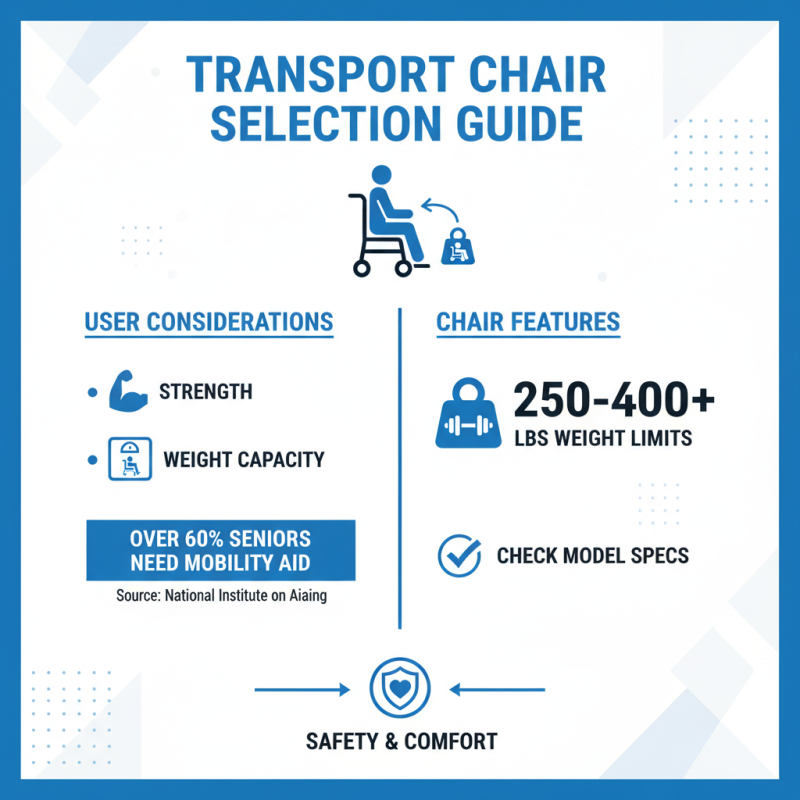
Choosing the right transport chair starts with understanding the user's weight capacity and strength. According to a report by the National Institute on Aging, over 60% of seniors require some form of mobility assistance. A chair must support their weight effectively to ensure safety and comfort. It's vital to check the weight limits of various models. Some can handle 250 pounds, while others exceed 400 pounds.
Strength is equally essential. The frame should be sturdy, yet lightweight. Many transport chairs use aluminum or steel. Aluminum is easier to maneuver, but steel often offers higher durability. However, if weight is a concern, a heavier chair might be unmanageable for certain users. Always consider the user’s strength when selecting an option. Despite the available options, not every chair meets every need.
Users sometimes overlook the importance of measuring body dimensions. The seat width and depth must accommodate the user comfortably. A report from the American Ergonomics Association suggests an optimal seat width of 18-20 inches for average users. If the chair is too narrow or too wide, it can lead to discomfort or even falls. Reflecting on these details can help ensure a better fit and improved mobility for users.
Comfort Features: Seat Width, Cushioning, and Ergonomics
Choosing the right transport chair involves careful consideration of comfort features. Seat width is essential; a chair that is too narrow may cause discomfort during extended use. According to industry studies, an optimal seat width ranges from 16 to 20 inches for most users. This range caters to various body types, ensuring that individuals feel secure and supported while sitting.
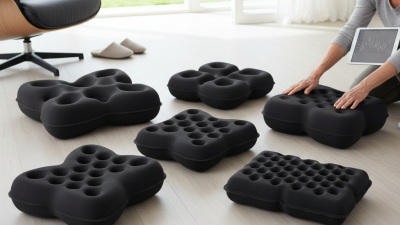
Cushioning plays a critical role in overall comfort. However, not all cushions are created equal. Some offer more support, while others may compress too quickly, leading to pressure points. A study by researchers found that layered gel cushions can provide superior comfort compared to standard foam options. Users often fail to recognize that proper cushioning can significantly affect their experience and health during travel.
Ergonomics should not be overlooked. Chairs designed with ergonomic principles help maintain proper posture, which can reduce strain. An improperly designed chair might create discomfort over time, leading to health complications. Users often think a lower price tag equals good value, but ergonomics may better serve long-term needs. It’s crucial to reflect on these elements to ensure the best fit for one’s lifestyle.
How to Choose the Right Transport Chair for Your Needs?
| Feature |
Description |
Recommended Size/Type |
| Seat Width |
The distance across the seat, affecting comfort and fit. |
18-20 inches for average users; 22+ inches for larger users. |
| Cushioning |
The type of padding used to enhance comfort during use. |
Memory foam or gel padding for better pressure relief. |
| Ergonomics |
Design features that support body posture and reduce strain. |
Adjustable footrests and armrests, and reclining back option. |
| Weight Capacity |
Maximum weight the chair can safely support. |
Typically ranges from 250 lbs to 400 lbs. |
| Foldability |
Ability to fold the chair for easy storage and transport. |
Look for lightweight models that easily compact. |
| Wheels |
Size and type of wheels for maneuverability. |
8-inch wheels for indoor use, 12-inch wheels for outdoor use. |
Foldability and Storage: Evaluating Portability and Convenience
When it comes to selecting a transport chair, portability and convenience are key factors. A foldable chair is a great option for those with limited storage space. The ability to collapse the chair makes it easier to transport. Whether you’re using it at home or in public spaces, a lightweight model can be a game changer.
Consider how often you will need to move the chair. Frequent travel requires a design that is not only portable but also easy to handle. Some chairs come with carrying handles, which can make a difference. In busy settings, every little feature counts. A chair that folds compactly can fit in most car trunks, yet some models may not be as user-friendly in practice.
Another aspect often overlooked is stability. When evaluating portability, balance should not be compromised. Some foldable chairs can feel flimsy or unstable when folded. This is a concern worth reflecting on. Safety should always come first, even in a lightweight design. It’s essential to find a balance between ease of mobility and sturdy construction. Ultimately, thorough testing and personal preference play large roles in this decision-making process.
Assessing Wheel Types and Maneuverability for Indoor and Outdoor Use
When selecting a transport chair, the type of wheels significantly affects its usability. For indoor settings, smaller, non-swivel wheels can provide stability on flat surfaces. They usually measure around 5 to 8 inches in diameter. However, this design can be limiting for diverse terrains. Outdoor use demands larger wheels, often 8 to 12 inches, which help navigate uneven ground. A recent report shows that 65% of users prefer chairs with dual wheel types for various environments.
Maneuverability should not be overlooked. A chair that is easy to steer indoors might struggle on gravel or grass. Users often find heavy chairs cumbersome, especially outside. Some chairs are dubbed “all-terrain,” yet many lack sufficient turning radius or don’t fit in tight indoor spaces. Studies indicate that a turning radius of less than 32 inches is ideal for both settings.
Reflecting on stability versus mobility is crucial. While some chairs offer solid support, they may sacrifice lightweight design. Surprisingly, many users only discover this imbalance after purchasing. Knowing these factors can lead to more informed choices. Whether for everyday use or special outings, understanding the interplay between wheel types and maneuverability can profoundly impact your experience.
Transport Chair Wheel Types and Their Maneuverability
This chart compares the maneuverability ratings of different wheel types used in transport chairs. Solid wheels score a 7, pneumatic wheels score a 9, and swivel wheels achieve the highest rating of 10, making them the best choice for maneuverability in various environments.