Celebrating 45 Years of clinical innovation, comfort, and caregiver support at Broda.
Explore the Legacy!A Fish Collagen Peptide Skincare Routine can support a focused approach to hydration and skin comfort. Fish-derived collagen peptides commonly appear in serums, creams, masks, and eye products. Their formulas may help the skin feel smoother, especially when paired with humectants such as glycerin or hyaluronic acid. However, topical collagen does not simply replace the collagen naturally produced in deeper skin layers. That distinction matters.
This guide examines seven practical routines for different skin needs, budgets, and product textures. One routine may suit dry cheeks, while another feels lighter on oily skin. Some formulas also include fragrance, alcohol, or strong active ingredients. Those additions can change the experience completely. A dermatologist or qualified skincare professional should assess persistent irritation, acne, or unusual sensitivity. Patch testing remains sensible, especially around the jawline or behind the ear. Small steps help.
The selections focus on ingredient transparency, sensible layering, texture, and everyday usability. They also consider whether brands explain marine sourcing and manufacturing standards clearly. Marketing claims can sound impressive, but visible results usually depend on consistent care, sunscreen, sleep, and individual biology. Not every user will notice the same improvement. That is worth admitting.
Expect a realistic introduction to fish collagen peptide products, not a miracle promise. The strongest routine is often the one you can follow comfortably each morning and evening. A gentle cleanser, targeted collagen peptide product, moisturizer, and broad-spectrum sunscreen may provide a dependable foundation. Certain routines may still need adjustment. Skin changes, and so should expectations.
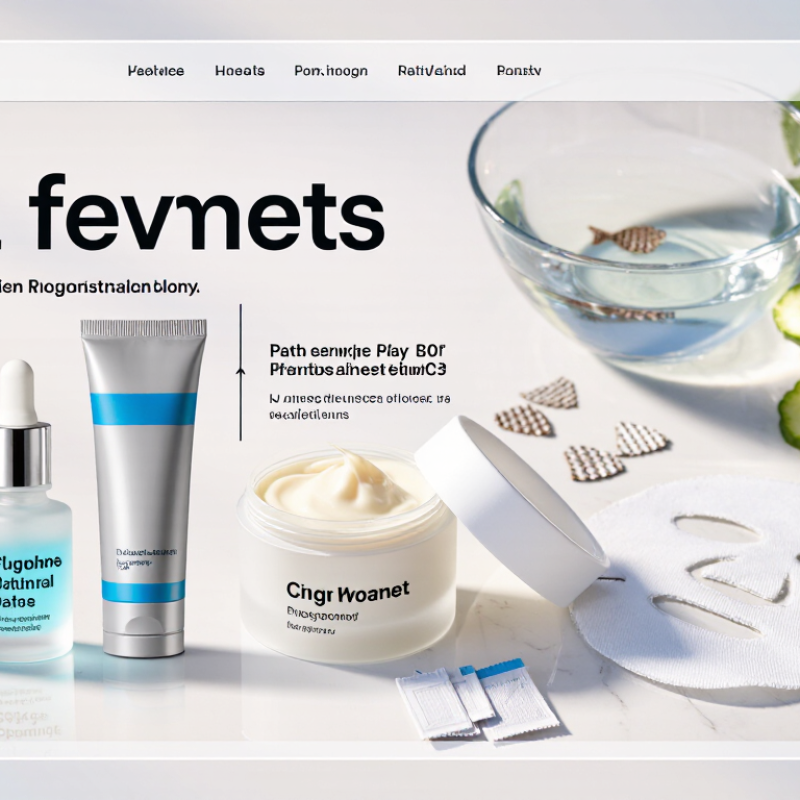
Fish collagen peptides are small protein fragments made by hydrolyzing collagen from fish skin, scales, or connective tissue. In skincare, they are usually added to serums, creams, or masks. Their main role is surface support, not instant collagen replacement. Because collagen molecules are generally too large to rebuild deeper skin structures, topical products cannot directly restore lost dermal collagen.
These peptides may help skin feel softer and temporarily look smoother. They can form a light film that reduces water loss, especially when paired with glycerin or hyaluronic acid. Some oral collagen peptide studies report modest improvements in hydration, elasticity, and fine lines after consistent use. The evidence is promising, but not perfect. Results differ by product quality, dosage, age, diet, and study design.
A practical routine can include gentle cleansing, a fish collagen peptide serum, moisturizer, and broad-spectrum sunscreen in the morning. At night, cleanse again and use the peptide product before moisturizing. Seven routines can vary by skin need: hydration, barrier support, post-shower comfort, dry-area care, seasonal dryness, gentle layering, or simplified maintenance. Sunscreen remains more important than peptides for preventing collagen breakdown. Patch-test new products first. People with fish allergies should check ingredient sources carefully. I would also avoid expecting dramatic changes. Skin biology is slower and messier than advertisements suggest.
Choosing fish collagen peptide skincare starts with the formula, not the product title. Look for hydrolyzed collagen or collagen peptides near the middle of the ingredient list. Smaller peptides may spread more easily across the skin, but topical collagen cannot rebuild deep structural collagen by itself. It mainly supports hydration and a smoother surface. I have found that simple formulas with glycerin, hyaluronic acid, or ceramides feel more comfortable than crowded blends. Check the label carefully.
Your routine can stay practical: cleanse gently, apply the peptide serum to slightly damp skin, then use moisturizer. In the morning, finish with broad-spectrum sunscreen. At night, pair the serum with a barrier-supporting cream. Seven routines may sound different, yet consistency matters more than complicated steps. Avoid products with strong fragrance if your skin reacts easily. Patch test first.
Look for clear fish sourcing, full ingredient disclosure, batch information, and independent quality testing. These details do not guarantee perfect results, but they improve reliability. People with fish allergies should ask a qualified healthcare professional before use. Also check whether the product contains alcohol, essential oils, or exfoliating acids that may irritate sensitive skin. I once assumed a richer texture meant better hydration; it did not. Skin response varies, so introduce one product at a time and observe redness, tightness, or clogged pores for several days.
A practical morning routine for fish collagen peptide skincare starts with clean, slightly damp skin. Use a gentle cleanser, then pat your face with a soft towel. Do not leave it dripping.
Apply a watery toner or hydrating essence first. Next, smooth on a fish collagen peptide serum with two or three drops. Press it over the cheeks, forehead, and neck. This order helps lighter products sit beneath richer layers. Grand View Research’s 2024 collagen market analysis projects continued global growth through 2030, driven partly by beauty and personal-care demand. Market growth, however, does not prove that topical collagen rebuilds deep facial collagen. That distinction matters.
Wait about one minute. Follow with a fragrance-free moisturizer to reduce water loss. Finish with broad-spectrum SPF 30 or higher, using enough for the face, ears, and neck. The Skin Cancer Foundation recommends daily sunscreen because ultraviolet exposure accelerates visible skin aging. Fish collagen peptides may support a smoother-feeling surface, but results often depend on the full formula, not one ingredient. I have found that applying too many layers can cause pilling around the nose. Less can work better. Check the ingredient list for fish-derived materials, and patch-test before regular use, especially with sensitive skin or seafood allergies. A small mirror check helps: if the skin feels tight, add moisturizer; if it feels sticky, reduce the serum.
An evening fish collagen peptide routine begins with gentle cleansing. Remove sunscreen, makeup, and city dust without scrubbing the skin. Pat your face dry, leaving slight dampness behind. Apply a peptide serum with clean fingertips, then press it around the cheeks, forehead, and neck. Collagen peptides may improve hydration and temporarily soften the look of fine lines. They do not replace naturally produced collagen. Research on topical peptide formulas is promising, but results vary between individuals.
Keep the routine simple. Use a fragrance-free moisturizer afterward to reduce overnight water loss. If your skin feels tight, add a few drops of a lightweight facial oil. Avoid combining too many strong products in one evening. Irritation can weaken the skin barrier and make progress difficult to judge. I have found that consistency matters more than a crowded shelf. Still, some formulas pill under moisturizer, so a slower application can help.
Tips: Patch-test a small area for 24 hours before regular use. Check the ingredient list for marine allergens if you have a fish allergy. Store the product as directed, especially if it contains sensitive peptides. Take a close-up photo every four weeks under similar lighting. It is easy to mistake flattering light for real improvement. If redness, burning, or swelling appears, stop using the product and seek professional dermatological advice.
A fish collagen peptide routine works best when it is adjusted slowly, not layered aggressively. My seven-part approach is simple: cleanse gently, apply the peptide product to damp skin, add moisturizer, use sunscreen, patch-test first, alternate with stronger actives, and track changes weekly. Marine collagen usually supports surface hydration and a smoother feel. It does not automatically rebuild deep collagen.
A 2021 meta-analysis in the International Journal of Dermatology reviewed 19 randomized trials and found that oral hydrolyzed collagen may improve skin hydration and elasticity. However, the researchers noted small samples and possible bias. Topical fish collagen needs more direct clinical evidence. Grand View Research’s 2024 collagen market report also shows strong projected market growth, but market demand is not proof of treatment effectiveness. That distinction matters. My honest adjustment is to use the product every other night for two weeks, then increase use if there is no stinging, redness, or tightness.
Tips: Patch-test behind the ear for 24 hours. Keep the routine boring. Change one product at a time. Photograph the same cheek under similar light every week. If dryness appears, reduce active ingredients and add a richer moisturizer. Stop when swelling or persistent irritation develops. Fish-derived ingredients may also require extra caution for people with relevant allergies. A perfect routine is unrealistic; a consistent, observable one is more useful.